If you’re considering starting a dropshipping business, the most important thing to lock in is what products you want to sell. With competition on the rise and trends shifting fast, picking items that have demand, aren’t easily found in brick and mortar stores, and can be shipped easily is crucial. I’ve been in those shoes, scrolling through endless lists and product categories, trying to figure out what would really catch on. To make things a bit easier, I’m sharing eight dropshipping products that often perform well, plus practical pointers to help you get started and avoid common pitfalls.
Why the Right Product Makes All the Difference in Dropshipping
Dropshipping’s biggest draw is how easy it is—no warehouses, no massive inventory investment, just a store and a connection to your supplier. But success usually boils down to what you choose to sell. The right dropshipping product can bring in steady sales, while the wrong item just gathers digital dust in your shop.
With the ecommerce world expanding rapidly (statista.com projects global ecommerce sales will go past $6 trillion by 2024), landing on the right product isn’t just about chasing every trend you see. It’s about understanding what people are searching for, which products aren’t easy to track down locally, and what can be easily shipped without sparking lots of complaints or returns.
There’s no single “perfect” product for every store, so I always look for a mix of low shipping cost, obvious demand, and strong supplier reviews. Trends change, but focusing on these core ideas helps any dropshipping business stay on track.
How I Pick Fresh Dropshipping Products That Actually Sell
My process starts with solid research. I use both free and paid tools (like Google Trends, AliExpress, and Oberlo) to check what’s gaining traction. Social media is another treasure trove—TikTok, Instagram, and YouTube reveal what’s popular right now and what’s starting to take off.
- Find a Niche: Rather than selling everything under the sun, focus on a specific category of items. Narrower shops often attract more loyal buyers and make marketing easier.
- Spot the Trend: Look for items gaining popularity before they’re completely saturated by sellers.
- Size Up Margins: Opt for products where you can add a decent markup (at least 25-30%) while keeping the price appealing.
- Check Supplier Quality: Always give supplier ratings and feedback a once-over to avoid unreliable partners.
On top of that, I keep an eye on seasonal fluctuations, customer reviews, and what competitors in my niche are pushing right now. Even reaching out to your potential audience on social media or in forums can spark ideas about pain points and products people wish they could find more easily.
8 Best Dropshipping Products to Sell Online
After looking over dozens of product categories, these eight consistently pop up as strong sellers for both new and experienced dropshippers.
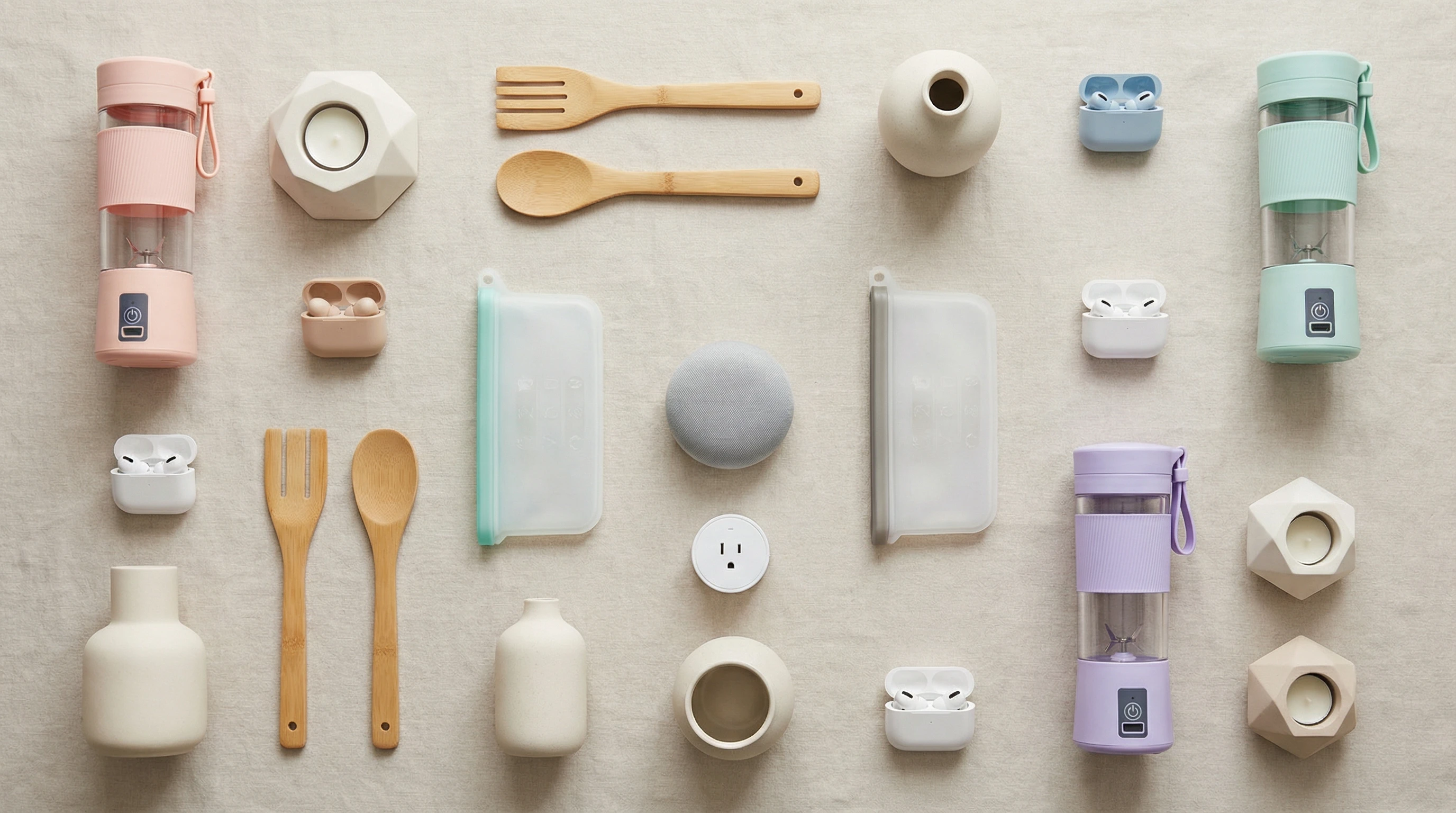
- Portable Blenders
Fitness continues to trend everywhere, and portable blenders appeal to commuters, gymgoers, and anyone into healthy living. They’re lightweight, cost effective, easy to demo on video, and open up lots of content opportunities for showing off recipes or smoothie hacks. If you’re leaning into the health and fitness space, this one’s a must-consider. - Wireless Earbuds
Tech accessories are always in demand, especially affordable wireless earbuds. Good ones deliver quality sound and the same nifty features big brands tout, minus the big price tag. Bundling these with storage cases or cleaning kits is a simple way to give your average order a boost. - Sustainable Kitchen Products
Ecofriendly home goods are blowing up, and items like reusable produce bags, beeswax wraps, and biodegradable sponges stand out in the crowded kitchen space. These items hit the green consumer niche and stay lightweight and cheap to ship. - Pet Grooming Tools
Pet lovers want easy ways to treat their furry friends at home. Products like grooming gloves, selfcleaning brushes, and slowfeeder bowls deliver ongoing value, with lots of people looking online to dodge high groomer costs. These also create repeat purchases over time. - Smart Home Gadgets
Budgetfriendly smart home gadgets, such as LED smart bulbs, WiFi plugs, or mini security cameras, capture the imagination of early adopters and tech fans. Pick items that are simple to set up, include clear instructions, and are backed by reliable supplier reviews for easy customer support. - Desk Organizers
Remote work is here to stay, and a tidy workspace helps productivity. Multiuse desk organizers, cable management kits, and monitor risers are more popular than ever as people look to upgrade home offices. Look for customizations in color, size, or compartments to help your offering stand out. - Ecofriendly Fitness Gear
Think yoga mats made from recycled materials, resistance bands, or stainless steel water bottles. The wellness market is booming, and shoppers are more thoughtful about what their gear is made from these days. - Minimalist Home Decor
Items like plant pots, geometric shelves, LED candles, and Scandiinspired accessories draw in those looking to freshen up living spaces. Minimalist design is timeless and fits with nearly any decor, appealing to both trendsetters and those just wanting a fast, affordable room makeover.
Each of these product types has an audience that is motivated by convenience, selfimprovement, or adding a touch of style—making them strong bets for regular sales.
Pitfalls to Watch Out For in Dropshipping Products
The urge to chase every shiny trend or viral product is real, but several issues can pop up when selling certain types of goods. Learning from early mistakes saves headaches (and returns) down the line.
- Fragile Goods: Glassware or hightech electronics with delicate internals often get banged up in transit. Too many returns or negative reviews can tank your reputation quickly.
- Heavy or Bulky Items: Shipping fees on hefty items can eat up your profits or turn into surprise bills for customers, which nobody likes.
- Highly Regulated Products: Anything that goes in or on the body—like supplements or cosmetics—brings legal and compliance hurdles (different markets have strict import rules and safety certifications).
- Super Trendy Products: Viral items can make fast money, but when the trend cools off, you’ll be left with slow sales or stuck listings.
Fragile Goods
I learned early that selling things with breakable components is risky. Even with decent packaging, the trip from warehouse to doorstep can be rough. High return rates and negative feedback are especially painful for new stores trying to build a positive image.
Heavy or Bulky Items
Offering free shipping attracts buyers—but it just doesn’t make sense for oversized furniture or gym gear. Unless your store revolves around bigticket items, it’s a safer bet to stick with things that easily fit in a shoebox.
Highly Regulated Products
Supplements and skincare get a lot of scrutiny from authorities. Particularly in big markets like the US or EU, import and safety rules can be strict. New sellers are usually best off steering clear of these until the ropes of the business are familiar.
Actionable Tips for Dropshipping Newbies
One of the best things I did when starting out was setting up simple, repeatable routines. Staying organized from the jump made it easier for me to catch supplier issues and understand what customers really wanted. Here are some tips if you’re just getting into the scene:
- Test Products Before Scaling Up: Order samples yourself to check quality, delivery speed, and packaging. Catching any issues before going big saves tons of hassle.
- Use Multiple Suppliers: Your go-to supplier might run out or lag on delivery. Having backups keeps your customers happy and reduces canceled orders.
- Set Clear Shipping Policies: Don’t promise too much. Let customers know shipping might be slower, especially if your suppliers are overseas.
- Automate the Busy Work: Platforms like Shopify can link straight to suppliers, sync stock, and make order tracking a breeze so you can focus on marketing and customer care instead of headaches.
Beyond these basics, keep refining your product picks, update your processes, and listen closely to customer feedback. That way, you’ll be able to move quickly as trends and buyer needs change.
Real-Life Uses for Top Dropshipping Products
The beauty of these dropshipping picks is how easily they plug into everyday living. Here’s how buyers use them day in and day out:
- Portable Blenders: Making smoothies before a busy workday or quick shakes after a workout, all on the go.
- Desk Organizers: Keeping the home office neat, reducing clutter, and setting a nice scene for video calls.
- Pet Grooming Tools: Doing at-home grooming sessions that save time and money versus professional visits.
- Minimalist Home Decor: Adding fresh touches to a space without going all out on renovations or breaking the bank.
Practical, approachable, and focused on small improvements, these products help buyers live a little better—reason enough for their strong performance in most stores.
Frequently Asked Questions
How many products should I start with?
Most dropshippers find it easier to focus on 5 to 10 products at first, then add more as you learn which items resonate with your shoppers. Keeping it simple makes management and customer interactions a breeze.
Do I need a business license for dropshipping?
Rules are different everywhere, but a basic business registration is a must in most places. Always double-check local regulations before you begin so you’re covered down the road.
How can I stand out from competing stores?
Use original product images, write unique descriptions, and offer friendly, fast customer service. Even little touches—like a personalized thank you note or a no-hassle return policy—can help your shop stand out and create loyal buyers.
Kick Off Your Dropshipping Adventure
Picking the right product isn’t about chasing every viral trend. It’s about smart research, knowing your audience, and selecting items that bring genuine value or joy to your buyers. Take the time to test products, cultivate solid relationships with suppliers, and focus on making customers happy. Dropshipping is an exciting ride. While there may be some bumps, it’s well worth checking out if you’re willing to learn and adjust as you go.