Small businesses often face a common hurdle: keeping up with customer relationships and organizing sales without losing track of important information. When I began looking for solutions to this challenge, I found out that the right customer relationship management (CRM) software can make daily operations run smoother and give a boost to business growth. CRMs are not just for large organizations. There are plenty of affordable, easy to use options made specifically for small businesses. To help, I put together this guide to break down what CRM software is, how it helps, what features to look for, and my top picks from Amazon that suit various business needs.
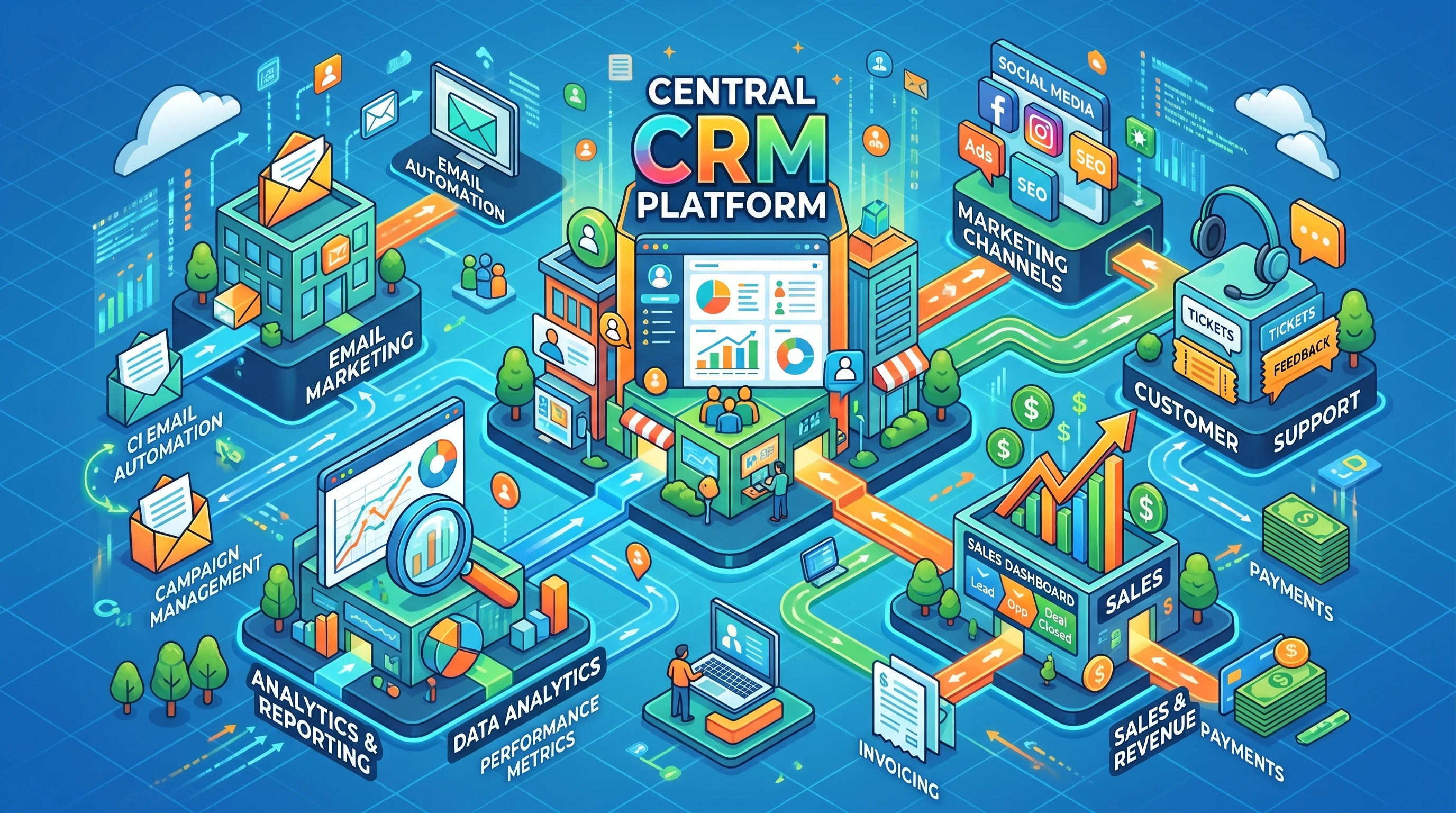
What CRM Software Does for Small Business
CRM software functions as a digital assistant, helping manage contacts, track sales, record customer interactions, and even automate follow-ups. After using my first CRM, I quickly realized how much easier it was to stay organized and keep up with vital conversations and leads. Instead of digging through scattered spreadsheets and sticky notes, I had all my data in one easy to search spot.
Beyond helping me remember previous interactions, a reliable CRM kept my efforts focused on building real connections with customers, personalizing outreach, and spotting exciting growth opportunities. For small businesses that want to compete, the right CRM does the heavy lifting behind the scenes, so you can focus on delivering great service and winning sales.
How to Choose CRM Software for Your Small Business
Picking the best CRM can feel confusing since there are so many features and pricing models. Here are a few tips from my experience:
- Easy to Use: The software should be simple to set up and use, saving you from weeks of training or lost productivity.
- Customizable: Every small business has its own quirks. CRMs that allow you to add custom fields or tweak workflows are a lot more helpful.
- Integrations: Top CRMs slide easily into your existing toolset, such as email, calendars, and even ecommerce platforms.
- Price: Being mindful of costs matters. Watch for any hidden fees or restrictions on users and contacts that could affect your budget as you grow.
- Scale Over Time: Choose software that’s effective now but also able to grow with your team or changing needs, so you don’t have to switch up too soon.
Doing your homework helps buyers spot the most suitable CRM for their unique needs.
10 Best CRM Software for Small Business (Found on Amazon)
Having tested multiple CRMs as a business owner and as an advisor, I’ve seen which options are the easiest to use and bring the most value for small budgets. Here are my top ten picks, all available through Amazon listings or for easy digital installation via Amazon.
1. HubSpot CRM Starter
HubSpot CRM offers a free version with essentials like contact management, pipeline tracking, email integration, and dashboards. Its interface is clear and inviting, so any team member can start using it right away.
The sales pipeline tool lets you move deals with a simple drag and drop motion, making overviews a breeze. Automated tasks, contact details, and email tracking are built right in, which speeds up daily routines and helps follow up with leads effectively. There’s room to expand, too, with paid upgrades if you need advanced marketing or customer service tools down the line.
Check out HubSpot CRM on Amazon and jumpstart your system for free.
2. Zoho CRM
Zoho CRM makes it easy to track leads, manage pipelines, and get into sales performance analysis. Its mobile app keeps you in the loop no matter where you are, and integrations with email clients or online stores are smooth. Automation features help you schedule reminders and tasks so no new lead slips away.
Customizable fields allow you to shape the software to your business, not the other way around. Plus, Zoho CRM’s pricing is gentle on small budgets.
Shop Zoho CRM on Amazon for flexible business solutions.
3. Salesforce Essentials
Salesforce Essentials offers big-business power in a lighter, approachable package for small businesses. I found its guidance and onboarding tools super helpful. All customer info is tracked in one location, and automation features ensure no important reminders or leads are missed.
It connects with email and calendar programs, too. I’ve seen teams with just a few people get up to speed quickly and expand without hassle as the company grows.
Browse Salesforce Essentials on Amazon for straightforward growth.
4. Pipedrive
Pipedrive is ideal for businesses focused on sales. Its visual pipeline arrangement makes keeping deals organized simple and helps spot stalled opportunities. Email tracking and reminders come as standard, reducing manual work. I appreciate how adjustable the sales process is—it’s easy to adjust to your business flow.
With a broad range of integrations for marketing and communication tools, your whole team can stay updated and on track.
Find Pipedrive CRM on Amazon for smooth sales management.
5. Insightly
Insightly is a smart choice for small businesses needing both sales and project management. I found it super handy for tracking both leads and client projects. It offers workflow automation, email templates, and integration with G Suite or Office 365.
Its reporting dashboards give fast insights and let you see what strategies are working. Connecting tasks and projects to specific customers is a time-saver.
See Insightly on Amazon for CRM solutions that cover projects, too.
6. Freshsales by Freshworks
Freshsales centers around lead management, automation, and email follow up. The clear dashboards are easy for anyone to use, which made training my team a walk in the park. Features like lead scoring and instant notifications save time and help you focus on the best opportunities.
The mobile app makes staying current while out of the office easy, and Freshworks’ suite allows you to add more tools as needed.
Pick up Freshsales CRM on Amazon for efficient sales tracking.
7. Agile CRM
Agile CRM bundles sales, marketing, and customer service tools into one dashboard. I’ve seen small companies use its marketing automation to set up automatic replies and handle follow-ups without fuss. There’s a free option for up to ten users, which benefits startups.
You can manage deals, track pipelines, and even kick off marketing campaigns without bouncing among tabs.
Get Agile CRM via Amazon for an all-in-one business approach.
8. Less Annoying CRM
As its name promises, Less Annoying CRM keeps things straightforward. The clean interface gets your team going within minutes—no unnecessary steps or distractions. The system manages pipelines and contacts with a refreshingly clear structure.
You also manage calendars and daily tasks in the same view as your customer info, ensuring nothing falls through the cracks.
Order Less Annoying CRM from Amazon for simple, effective management.
9. Apptivo CRM
Apptivo combines CRM with invoicing and project tools, making it a handy all-in-one toolkit. I found it helpful for following customer leads straight through to sending out invoices. Flexible fields and layouts mean it’s easy to tailor to specific business types.
Email templates, appointment scheduling tools, and robust reports deliver a clear, overall business picture.
See Apptivo CRM on Amazon for a super detailed toolkit.
10. Streak CRM for Gmail
If Gmail is your home base, Streak fits perfectly. All your deals, messages, and follow-ups sit right beside your usual emails. Sharing pipelines with teammates and keeping everything connected is as easy as installing a Chrome extension—no complicated setup needed.
This option is great for anyone who wants a CRM but isn’t ready to step outside their main inbox yet.
Find Streak CRM for Gmail on Amazon for seamless inbox-driven management.
Additional Tips for Picking a CRM
- Data Privacy: Small businesses need to be vigilant about customer data safety. Make sure your CRM uses secure protocols and explains privacy controls clearly so you can keep your company and clients safe.
- Customer Support: Fast, reliable support makes fixing problems much less of a headache, especially as a new user.
- Try Before You Buy: Many CRMs let you run a free trial or demo. This helps you avoid paying for a platform that doesn’t fit your workflow.
Quick Answers to Common CRM Questions
Question: How hard is it to switch from spreadsheets to CRM?
Answer: Most CRMs can import contacts from spreadsheets or email lists quickly and easily. After setup, managing and finding everything is much simpler.
Question: Does my whole team have to use the CRM?
Answer: Ideally, yes. Getting everyone involved helps pull the most value from your CRM. User controls also make it easy to set different access for each team member.
Question: Are CRMs too expensive for solo entrepreneurs?
Answer: Not at all. There are many free or low-cost CRMs made just for individuals and very small teams.
Tips for Getting the Most Out of CRM Software
After adopting a CRM, I saw that customer replies improved, fewer deals slipped away, and team communication stayed on point. Daily tasks were less overwhelming and more productive. My advice: choose a CRM that fits your current routine but that can also grow with you. The right system takes the confusion out of managing customers and makes it easier for small businesses to operate like much larger companies, all without sacrificing that personal connection.
Track down your top CRM picks on Amazon, select the one that covers your must-haves, and watch your business become more organized and effective.
