Trying to figure out where your money goes every month can feel overwhelming. I’ve definitely been there, staring at my bank statement and wondering what happened. A monthly budget changes all that by bringing a sense of order and predictability to your finances. Even if you’ve tried and given up on budgeting before, there’s a better way. This approach is actually doable even if you hate spreadsheets or don’t have a steady income. Here’s my no-nonsense guide to building a monthly budget that fits your real life.
Why Most Budgets Fail
I’ve noticed that plenty of people start out with the best intentions. They download a budgeting app, write down a few expenses, and promise themselves they’ll stick to it this time. But within a few weeks, sometimes just days, it falls apart. Why? Usually, it’s because the budget is too strict, too complicated, or just not realistic. Life throws curveballs. Pizza nights, surprise bills, or just fatigue from tracking every penny can make even the most organized budget go sideways. If you’ve ever felt like you’re failing at budgeting, you aren’t alone — but you’re definitely not doomed either.
The Mindset Switch Beginners Need
One big change that made a difference for me was treating budgeting less like a rigid diet and more like a GPS. It’s not about sticking perfectly to every line item. Instead, it’s about seeing where you are, making tweaks, and getting back on track. When you think of a budget as a helpful tool instead of a punishment, it takes a lot of the stress away. If you mess up now and then, that’s normal. Keep going. Adjusting your approach is part of the process, not a sign you should quit.
Why You Need a Monthly Budget
Having a monthly budget means you get to decide what your money does, instead of wondering where it all went. It’s really important for lowering stress and building a sense of control. When you know you’ve got your bills covered and a little put aside for fun, it’s way easier to enjoy the things you like without guilt. Plus, looking at everything in one place gives you real financial clarity. You can spot patterns, make smarter decisions, and avoid those “uh-oh” moments right before rent is due.
Control vs Stress
Without a budget, I used to feel anxious about every unexpected expense. Now, I plan for surprises, and if something comes up, I know exactly which category I can move money from. That’s a big mental relief. A budget gives you options, not restrictions. When things come up—like an emergency car repair or a spontaneous dinner—you can handle it without the guilt or anxiety eating at you. Feeling in control of those decisions can take a big load off mentally and lets you live your life with more freedom and ease.
Financial Clarity
It’s easier to start working toward goals, whether that’s paying off debt, saving for a vacation, or building an emergency fund, when you can see what’s possible each month. You’re not just hoping you did enough; you know you did. Over several months, you’ll stumble upon spending patterns that weren’t obvious at first, like how that coffee shop habit adds up or how those small online purchases become a sizeable monthly chunk. The clearer your financial picture, the more confidently you can plan your next moves.
Step 1 – Calculate Your Monthly Income
You can’t build a budget until you know the number you’re working with. List all your sources of income: salaries, side jobs, government benefits, anything that brings in money. If your income changes from month to month, that’s okay. Just use the lowest amount you can consistently count on. It’s better to underestimate and be pleasantly surprised than to come up short.
Fixed vs Variable Income
If you get a paycheck that’s the same every month, budgeting is more straightforward. With freelance or gig work, it helps to average your income from the last three to six months, then use the lowest as your budget base. This makes sure you’re not building your plan on a super high month that’s not the norm. Many people with variable income also set up separate savings specifically to smooth out the low months, which helps further take the pressure off.
Conservative Estimating
I’m always careful to leave bonuses, gifts, or rare windfalls out of my main budget. If they happen, great! But relying on them can make things tight when they don’t come through. Building a buffer or contingency line into your budget gives you even more breathing room and can rescue you from dipping into savings for small unexpected shortfalls.
Step 2 – List All Monthly Expenses
After you know what’s coming in, make a list of everything going out. Start with bills and essentials, then look at where the rest of your money goes throughout the month. Go through your transaction history and jot down even the little purchases—coffee runs, subscriptions, or spontaneous meals out.
Fixed Expenses
These are the same each month: rent or mortgage, car payments, insurance, loan minimums, and regular subscriptions. Since you know the exact cost, put this list together first. Fixed expenses are the backbone of your budget, creating the foundation on which you build the rest of your plan. Over time, you might spot subscriptions you don’t actually use and swap them for things that give you more value.
Variable Expenses
These change month to month. Groceries, fuel, utilities, dining out, entertainment, and shopping can go up or down. I usually scan a few months of my bank statements to get a sense of the average. Grouping small “fun” purchases together can give you an honest view of how much truly goes to little pleasures—an important category to have to avoid feeling deprived.
Hidden Spending
I’ve been surprised by how much I spent on occasional things like gifts, pet care, or travel. These aren’t “monthly,” but setting aside a small amount each month to cover them when they pop up saves me a lot of stress. If you have annual memberships or big yearly expenses, divide those by 12 and include them as a tiny monthly line item. Planning ahead for birthdays or holidays means you’re not caught off guard and scrambling at the last minute.
Step 3 – Choose a Budgeting Method
There’s no single right way to budget. What works for me might not fit your style, so pick a method you’ll actually keep up with. Here are a few options that get recommended a lot:
- ZeroBased Budget: Every dollar gets a job. Your income minus your expenses (including savings and giving) should equal zero at the end of the month. It’s detailed, but it keeps your spending in check. This approach helps make every dollar accountable and shows you exactly where your priorities are.
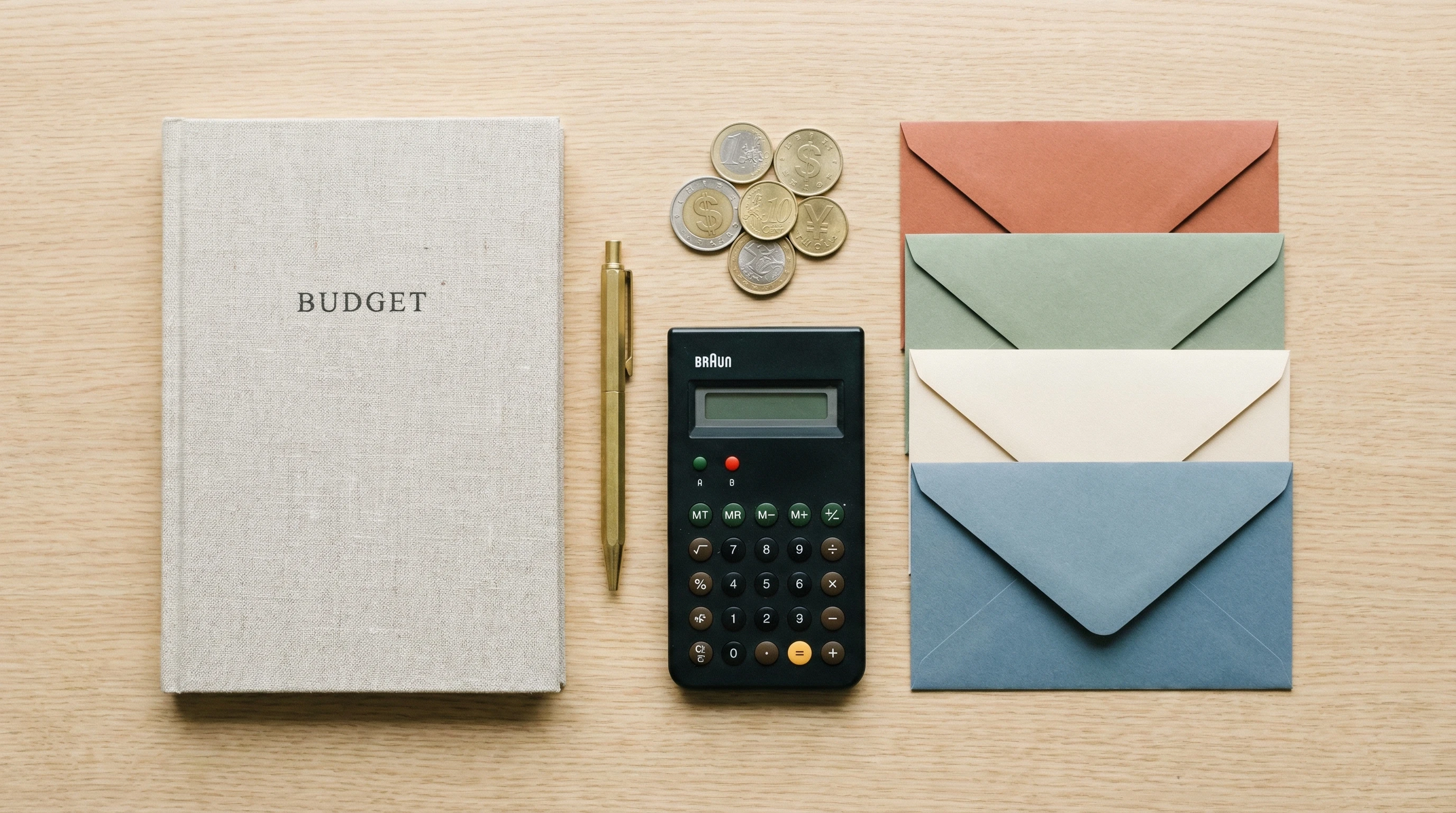
- Envelope Method: Allocate cash for categories like groceries or entertainment and stop spending when the envelope’s empty. You can do this digitally with some apps too. Using cash or designated debit accounts for each category works well if you prefer tangible boundaries.
- 50/30/20 Rule: Divide your takehome pay into 50% needs, 30% wants, and 20% savings or debt payments. This system is simple and flexible, good for beginners.
- PayYourselfFirst: Set aside savings or investment contributions right after you get paid, then use the rest for the month’s expenses. This takes the temptation out of dipping into savings because it’s already out of reach.
If you need a quick win, the 50/30/20 method is worth checking out. It’s easy and doesn’t require a mountain of categories. Many people jumpstart their budgeting with this approach and mix in more detailed tracking as they get comfortable.
Step 4 – Adjust and Balance Your Budget
Once you lay out your income against your expenses, you might notice things don’t quite line up. That’s totally normal. Now it’s time to move things around until you’ve got a budget that’s actually doable—not just on paper, but in real life. The main idea is to make your budget feel supportive rather than restrictive.
Cutting Without Suffering
If the math isn’t working, look for categories you can shave down without feeling deprived. Maybe you cut back a little on takeout, cancel an old subscription you barely use, or find a cheaper alternative for something you regularly buy. The goal is not to remove all the fun; it’s to swap out things you don’t really care about for stuff you actually enjoy or that does more for your goals. For example, you might switch one streaming service for another you prefer, or trade an expensive habit for something just as enjoyable but less costly.
Realistic Spending
It’s tempting to lowball categories like groceries or gas, but I’ve learned that leaving yourself wiggle room means you’re less likely to give up. If you tend to underestimate, round up in your budget. That way, surprise overspending won’t send the whole process off the rails. One trick is to review midmonth and adjust—catching a category that’s overspending early means you can rein it in before it snowballs. This is about flexibility, not rigidity.
Step 5 – Review and Improve Monthly
Budgeting isn’t something you set and forget. Things change; bills go up, life events happen, your priorities mix it up. That’s why reviewing your budget each month is super important. Check how you did, see if your categories make sense, and make changes as needed.
- If you overspent in one category, bump it up for next month and trim somewhere else.
- If you got a raise or started a side hustle, use that extra income to give a boost to savings or pay down debt faster.
Tracking your spending as you go makes this a lot easier. I use a simple app, but you could jot amounts in a notebook or use a spreadsheet. Whatever you’ll actually keep up with is best. If you want to learn how to track expenses without losing your mind, check out this guide.
Try to check in at least once a week, even if it’s just for five minutes—this small habit can make all the difference for catching problems early and giving yourself a pat on the back for what’s working.
Budgeting Is a Skill, Not a OneTime Task
No one gets their budget perfect the first time. Or the second, or third. It gets easier with practice, and what matters most is sticking with it. Small changes and consistency add up to real progress over time. Even if you slip up here and there, the next month is always a fresh start. Stick with it, give yourself some grace, and you’ll be surprised at how much more confident you feel managing your money.
With a monthly budget that fits your lifestyle instead of fighting against it, you’ll feel in control of your cash, not ruled by it. That little bit of order makes everything else about life and money less stressful and a lot more satisfying. If you stick with the process, budget checkins become something you can almost look forward to because they show you how far you’ve come. Remember, money management is an adventure, not a destination—so keep adjusting, celebrating wins, and taking it up a notch!